Selected Builds

Xoryn Studio // Project Repository // Active Matrix

System Architecture

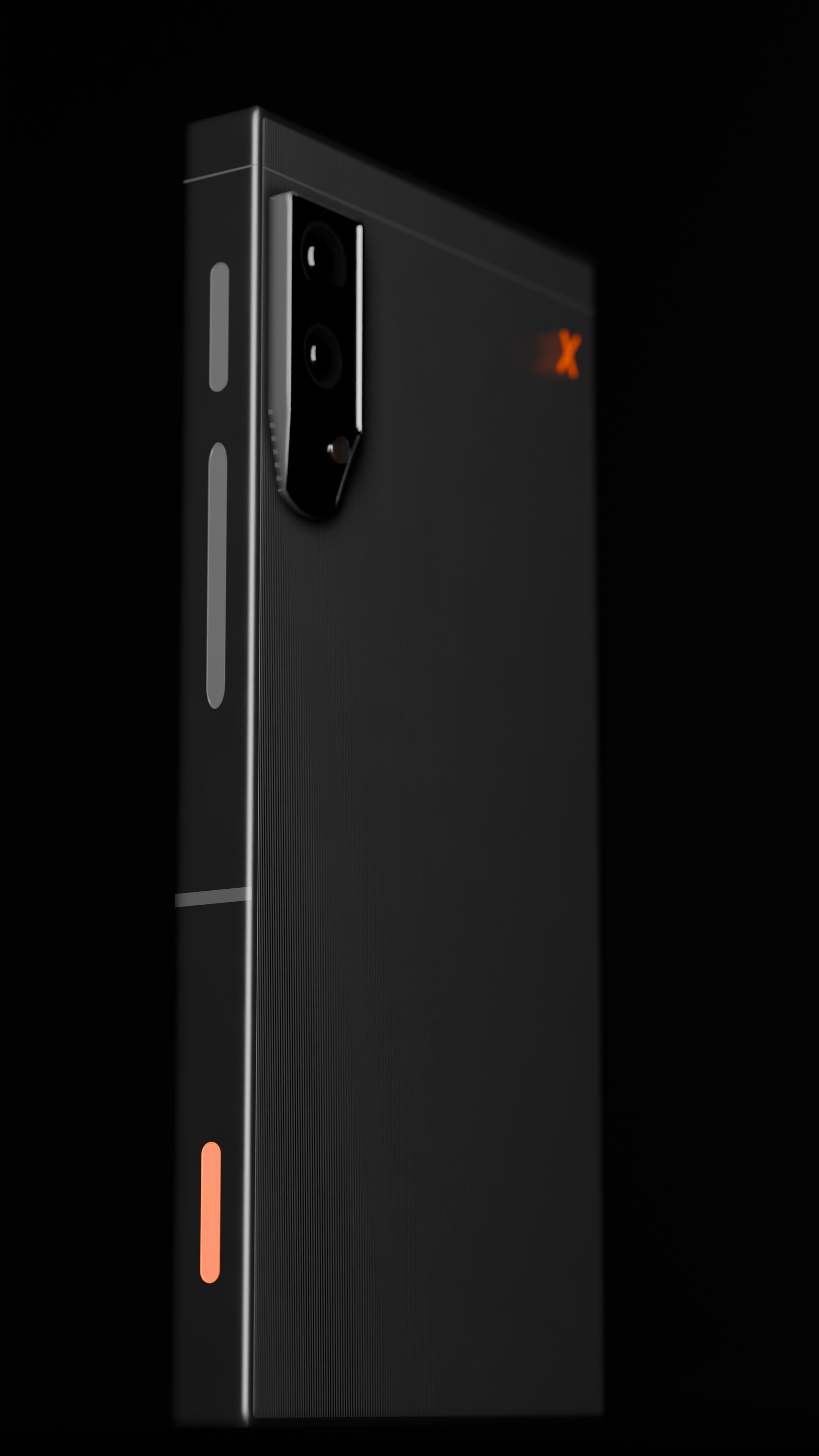
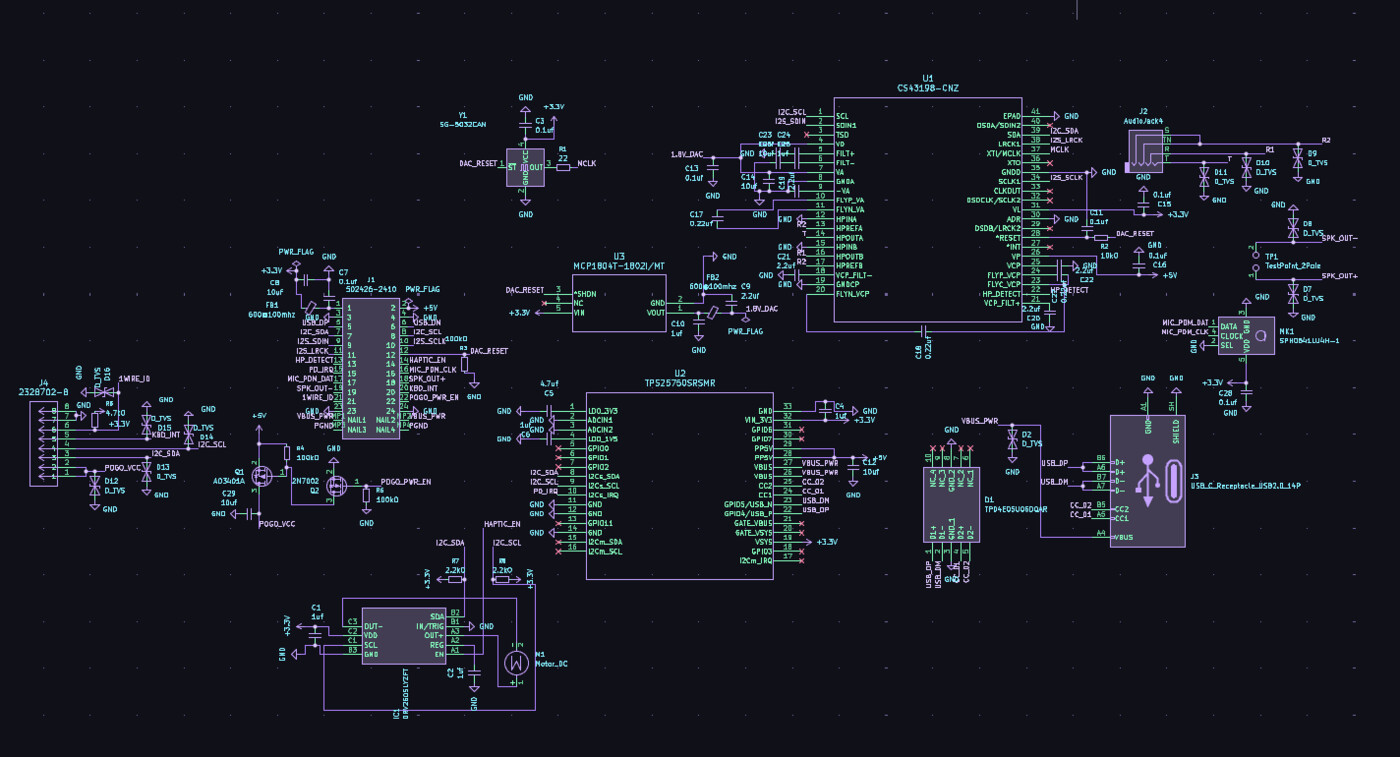
Vision and audio are fused on-device across three purpose-built models running on the NPU: a hand-landmark tracker locating finger and wrist position frame-by-frame, an instrument-agnostic analysis model translating that motion into a defined technique-error taxonomy, and a small quantized language model converting those errors into natural spoken coaching. A 7-microphone array supports pitch and timing analysis alongside the visual pipeline, so feedback draws on what the student played, not just how they moved.

Compute NodeRockchip RK3588S SOM
Display7" OLED Touchscreen
Vision InputOV5640 Camera Module
Audio Input7-Microphone Array
AI StackMediaPipe HandLandmarker // Custom Technique Analysis Model // Quantized On-Device LLM
Inference PathTFLite → RKNN-Toolkit2 // NPU-mapped operators throughout
Project // 02 // Hardware Subsystem

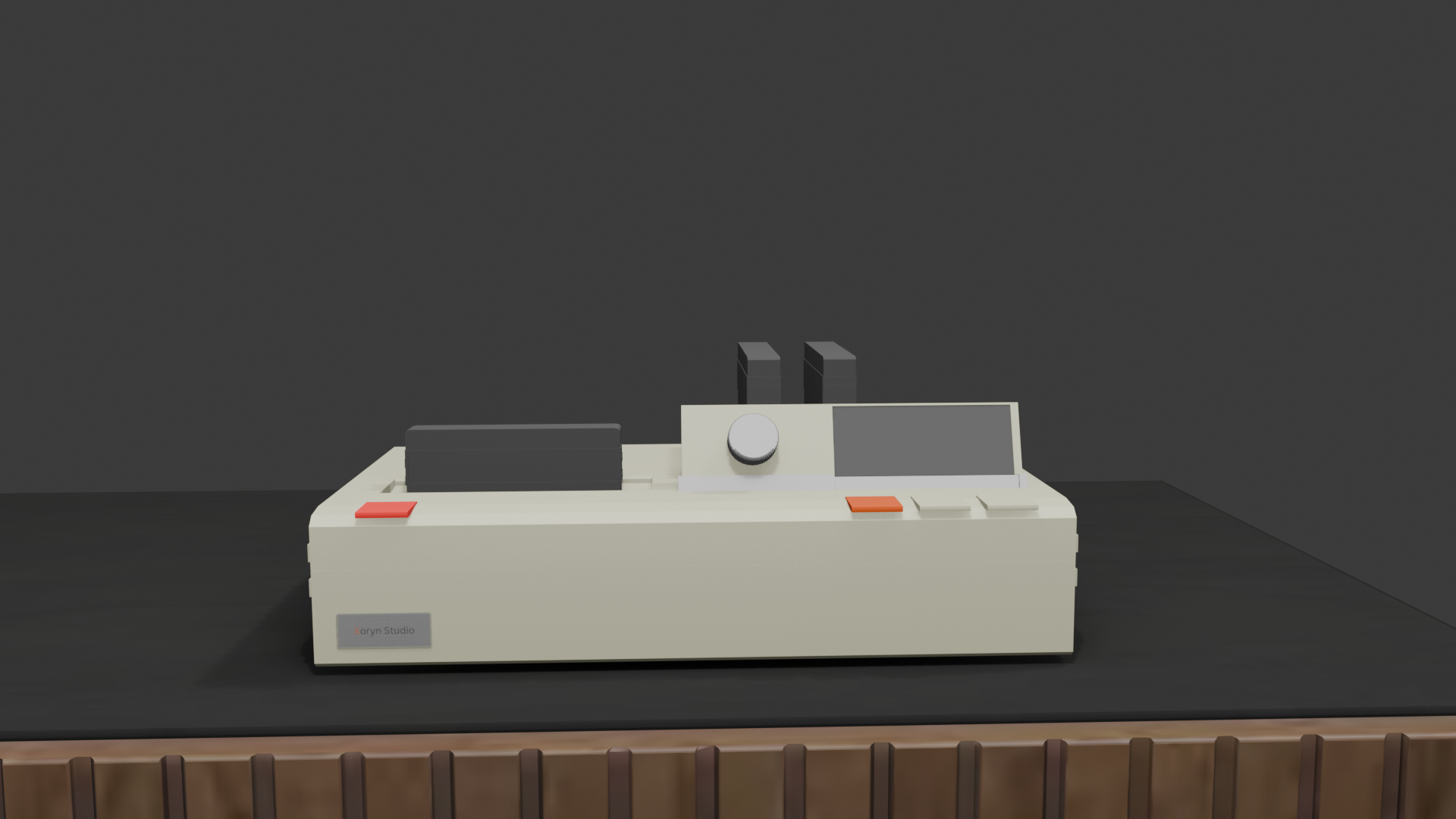
Cartridge 01

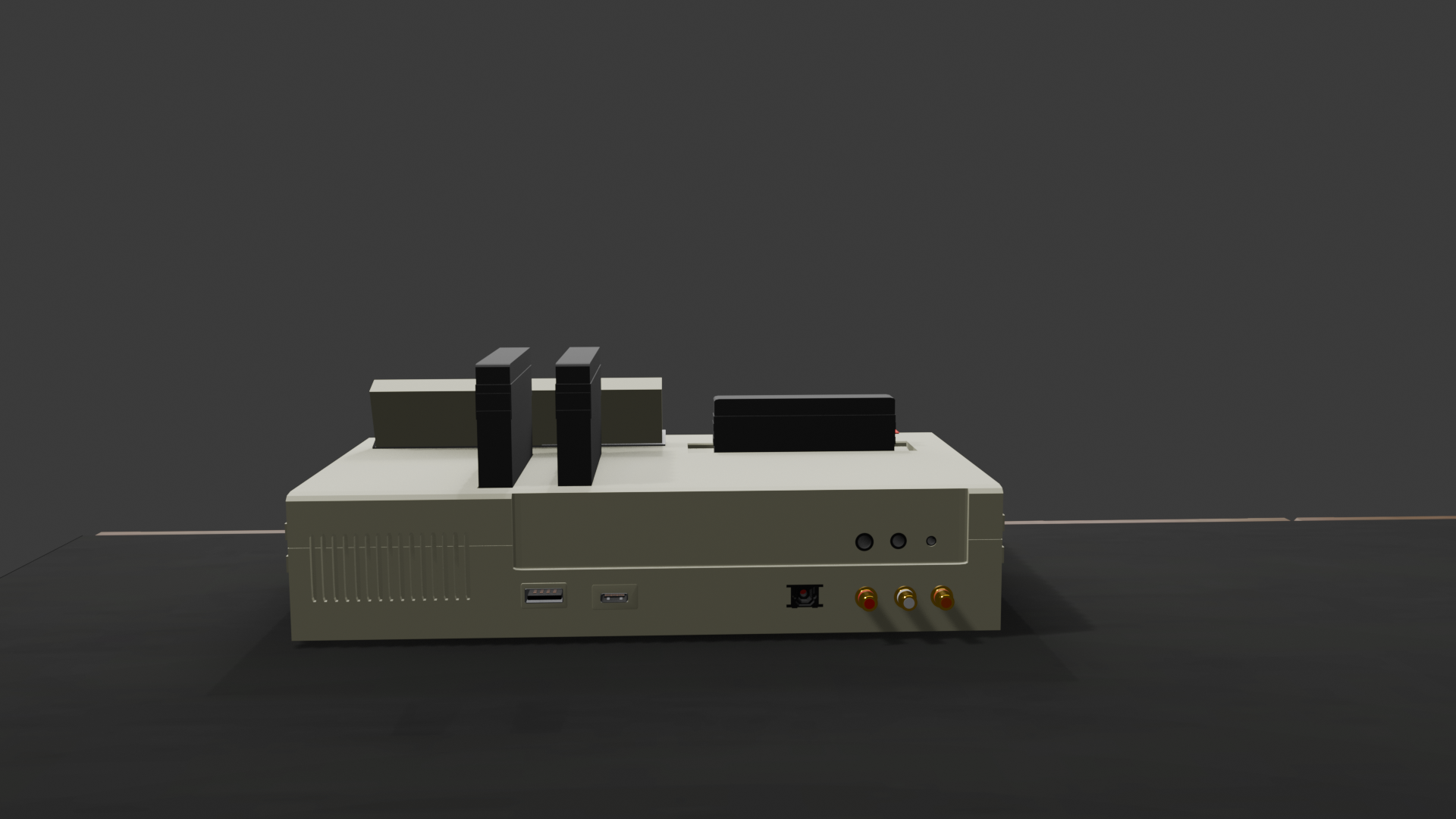
A standalone digital audio transport engineered to return intentional tactile interaction to personal music listening. Operating on an isolated environment stripped of background computational processes, it bypasses modern mobile phone distractions to deliver an uncompromised, hyper-focused bit-perfect listening workflow through hot-swappable hardware media components.

Embedded Linux RK3566 Transport Digital Audio Stage Industrial Design

System Architecture

Structured explicitly around the Rockchip RK3566 compute module paired with a custom low-overhead kernel. The physical topology utilizes a high-mass internal aluminum shielding chassis nestled inside a ruggedized external protective profile shell. Sound processing relies on an independent, isolated high-fidelity digital-to-analog block handling native high-resolution containers natively without interpolation or software downsampling.

Compute NodeRockchip RK3566 (Quad-core ARM Cortex-A55)
Memory Arrays4GB LPDDR4 RAM // 32GB High-Speed eMMC Storage
Signal Output3.5mm SE, 6.35mm Studio TRS, 4.4mm Balanced, Stereo RCA Line Out
Media InterfaceProprietary hot-swappable array // Automated local CD archiving support
Project // 03 // Mechatronics Ecosystem
On Hold — Superseded Priority

The ARC Platform

An open-source, completely modular, reference-grade wireless audio matrix engineered to transition personal monitors from disposable consumer electronics into a fully modular hardware sandbox. By physically segregating acoustic volume constraints from active silicon expansion systems across a master bus architecture, the platform opens hardware development to custom community physical modifications.

nRF5340 Dual-Core LE Audio Pipeline Acoustic Isolation Open Hardware

Functional Topology

  • Dual-Core Processing Array: Managed via an nRF5340 processing node dividing network communication protocols on an isolated core from high-level application code execution and expansions.
  • Acoustic Isolation Vault: An internal solid dividing bulkhead forms a permanent, hermetically sealed forward enclosure behind the titanium drivers, preventing environmental sound leaks through outer components from manipulating audio parameters.
  • Master Bus Sandbox: An embedded 40-pin connector array mapping multi-rail power distribution layers, serial command lines (SPI/I2C), multi-channel digital audio formats, and raw microphone feeds.
  • Toolless Magnetic Outer Shells: Exterior modular cosmetic and dynamic plates utilize alternating polarity indexing magnets for seamless mechanical seating, reinforced by sliding compression locking latches.

Technical Manifest (BOM)

Core Silicon2x Nordic Semi nRF5340 Units // 1x Native ESS Sabre Audio Stage
Transducers2x 40mm or 50mm Titanium-Coated Dynamic Drivers (Low Impedance)
Interconnects2x 40-Pin High-Density Mezzanine Interfaces (FPC Ribbons supported)
Power Tree3.7V Deep-Cell Sized LiPo Cells // Dedicated Analog-Split Logic PMIC Engine
StructuresN52 Micro-Neodymium Magnetic Elements // Hollow Tension Alloy Headband
EnclosureFused Filament Enclosure Set (Rigid Interior Chassis // TPU Structural Accents)
Concept Study

The Meridian Programme.

An early-stage, self-directed exploration into off-grid tactical communications hardware — mesh radio, evidence handling, and modular field electronics developed as a single coherent product family. Shelved in favour of current priorities, kept here as a record of scope and systems thinking rather than a live product line.

Reference Platform // Consumer & Open Hardware Variant

Meridian Go / Meridian One

A handheld, fully off-grid communications device — LoRa mesh radio, offline GPS navigation, an evidence-grade camera, and environmental sensing, with zero dependency on cellular, Wi-Fi, or satellite infrastructure. Meridian One is the fully open-source sibling variant: identical hardware, published schematics, firmware, and enclosure files.

ComputeAllwinner H618 Quad-Core Cortex-A53 + RP2040 Real-Time Co-Processor Handling Keypad, Sensors & Power Independently of the Main OS
Mesh RadioSemtech LR2021 4th-Gen LoRa // Sub-GHz + 2.4GHz Dual Band // Every Device Acts as a Relay Node — Ten Units Cover a 50km+ Mesh with No Base Station
EncryptionAES-128 at the Radio's Physical Layer, AES-256 End-to-End on Top // ECDH Key Exchange // Hardware Secure Element Holds Keys That Never Leave the Chip
Navigationu-blox M10 GNSS (GPS/GLONASS/Galileo) // Sub-30s Cold Start // Fully Offline OpenStreetMap Tiles, No Network Required
Environmental9-Axis IMU + Dedicated 3-Axis Compass // Barometric Pressure for Weather Trend // Humidity Sensing // Evidence Camera with GPS, Timestamp & SHA-256 Hash at Capture
Power6,000mAh Custom Flat LiPo // Tool-Free Hot-Swap Door // Device Stays Powered Mid-Swap via a Capacitor Bridge // Optional Clip-On Solar Trickle Charge
ConstructionIP67 Polycarbonate + TPU Over-Mould // Sunlight-Readable Transflective Display, No Backlight Needed Outdoors
EcosystemStandardised Rear Accessory Rail Shared Across the Entire Device Family // NFC-Authenticated Modules // Meridian One Publishes Full Schematics, Firmware & Enclosure Files Open Source
Variant // Frontline

Meridian Pro

Dual-core STM32MP257 platform adding cellular mission-critical push-to-talk with automatic 2-second LoRa fallback on signal loss, GPS evidence tagging, and an Officer-Needs-Assistance trigger broadcasting location the instant it's raised.

  • UWB ±10cm ranging, functions GPS-denied and underground
  • Automatic man-down detection via 6-axis IMU
  • Three independent ONA triggers — button, voice phrase, dual-key hold
  • Hardware secure element, full chain-of-custody hashing
  • Evidence camera tags GPS, timestamp, officer ID & hash at capture
Variant // Specialist

Meridian Pro+

Builds on Pro with a hardware EMCON kill-switch, covert IR data link, night-vision-compatible display filtering, and the CBRN sensor module included as standard for specialist and public-order deployment.

  • Physical RF-cut switch, GPIO-verified — software cannot override
  • Coded haptic alerts via LRA motor, zero audible or visible signature
  • 950nm IR covert data port, fully operational during EMCON
  • NVIS green display filter, compatible with image-intensifier NVGs
  • IP68, 1.5m / 30 minute submersion rated
Variant // Field

Meridian Field

Military configuration in Standard and Command builds — the latter adding built-in satellite messaging that auto-bridges to the whole section's mesh network from a single device, so one uplink covers everyone.

  • Command variant: built-in Iridium satellite, two-way global SBD
  • Satellite-to-mesh auto-relay — no operator action required
  • Kalman-filtered GNSS + IMU dead reckoning under GPS denial
  • -40°C to +70°C operational, MIL-STD-810H shock & drop rated
  • OTP-fused hardware root of trust, irreversible key burn
Accessory // Comms

Walkie Module

A clip-on module housing the cellular push-to-talk modem, bodycam, and LiDAR — kept physically separate from the main handset so removing it for EMCON strips all cellular capability cleanly, in one motion.

  • Sony IMX335 bodycam, 120° FOV, 30-second pre-event buffer
  • Sony IMX591 direct-ToF LiDAR — depth mapping in total darkness
  • Dual SIM (eSIM + physical), dual antenna for RF redundancy
  • Voice, vehicle-exit & manual bodycam activation triggers
Accessory // Sensing

CBRN Detection Module

A clip-in body-worn module combining radiological, chemical, and blast-effect sensing on a single PCB, with a reserved sensor footprint for a future biological detection upgrade — no board redesign required.

  • Compact Geiger-Müller tube for alpha, beta & gamma detection
  • 6-agent electrochemical array — CO, NO₂, H₂S, Cl₂, NH₃, SO₂
  • Piezoelectric accelerometer for blast/shockwave detection
  • 5-stage graduated LED threat indicator, silent & passive
  • Independent processor, own battery, own charging dock
Accessory // Mounting

Unified Body Mount

A single rail standard spanning the entire device family — push-seat spring retention with a one-handed, glove-operable top-push release, shared identically across the handset, the CBRN module, and every future accessory.

  • 316 stainless spring clips, rated 10,000+ seat/release cycles
  • MOLLE, belt, chest-rig & vehicle mount variants, same interface
  • 5G shock retention — device stays seated through impact
  • Audible & tactile click confirms both seating and release
Infrastructure // Sync

Meridian Dock

Spring-loaded pogo-pin docking — no cable to align in the dark, works wet, glove-friendly. Drop the device in and a 15-second interaction window runs before it locks and syncs automatically.

  • Single-slot, 5-slot & 10-slot rack-mount variants share one firmware
  • Sync priority: photos → GPS logs → messages → bodycam → the rest
  • Overnight OTA firmware updates, signed & rollback-safe
  • Vehicle cradle triggers immediate sync, no interaction window
Infrastructure // Command

Meridian Command

On-premise server software — a mapped, hash-chained record of every device's activity, running entirely on local hardware with no cloud dependency for evidence or location data.

  • PostgreSQL-backed, FastAPI sync receiver, fully async
  • Browser-based HQ map — every GPS tag, colour-coded by category
  • SHA-256 hash chain from capture to archive — tamper-evident
  • Role-based access — officer, commander, admin, hardware key required

Systems, sensor, and protocol architecture only — commercial, legal, and regulatory documentation intentionally omitted from this summary.